

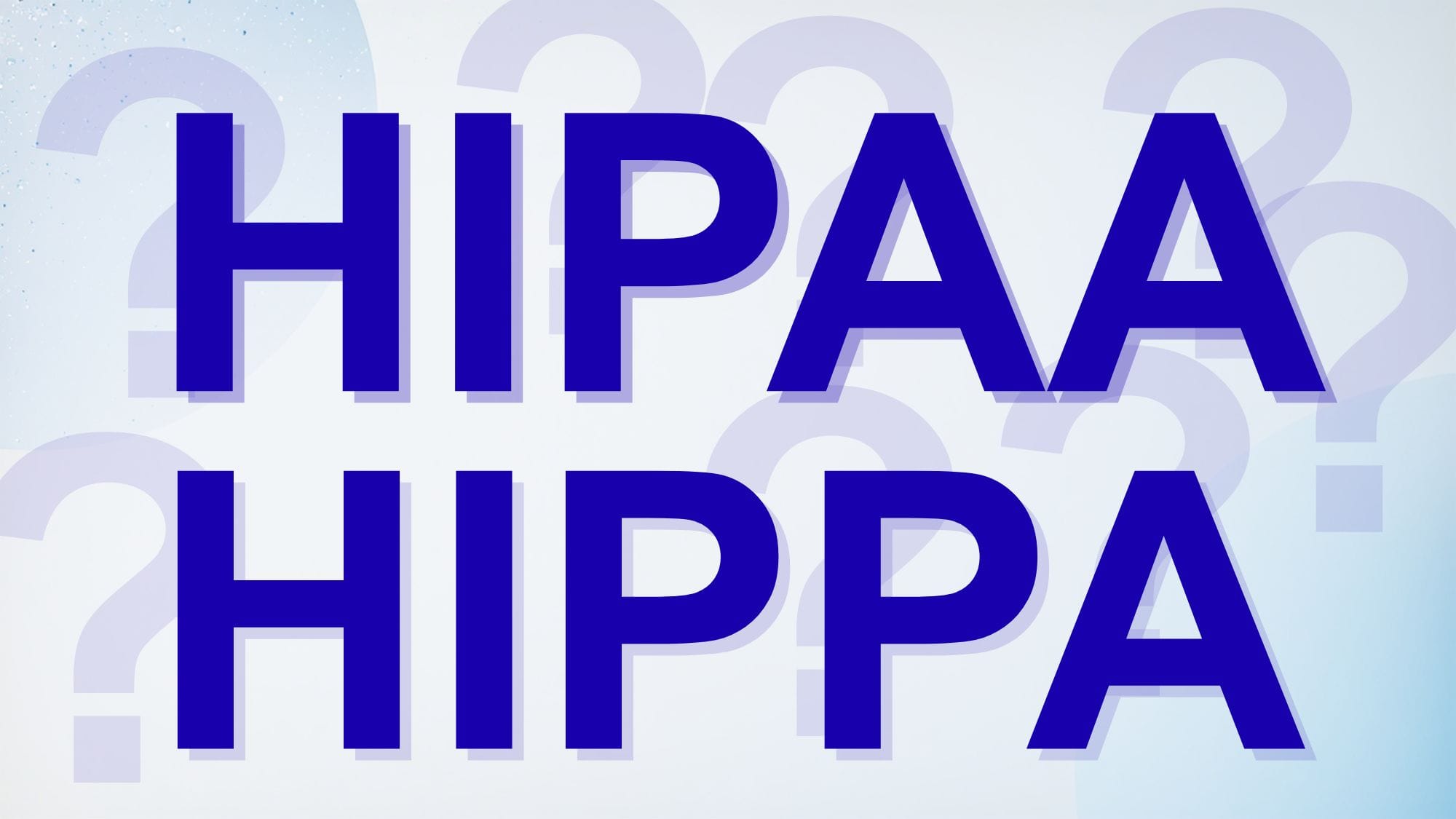
It's HIPAA, not HIPPA. This spelling error appears constantly in emails, job postings, and even official communications. Healthcare workers, HR departments, and compliance officers routinely add an extra P where it doesn't belong.
The misspelling might seem trivial—just a typo. But it signals something more significant: a lack of familiarity with the law that governs patient privacy in American healthcare. And if someone doesn't know how to spell HIPAA, what else might they misunderstand about compliance requirements?
This article starts with the spelling confusion but goes deeper. The HIPAA vs HIPPA mistake is just one of many common HIPAA misconceptions that create real compliance risk. Understanding these errors—and correcting them—protects organizations and the patients they serve.
HIPAA vs HIPPA: Getting the Basics Right
HIPAA stands for the Health Insurance Portability and Accountability Act. Notice the single P—it comes from Portability. There is no word in the law's name that would contribute a second P.
HIPPA is not an acronym for anything. It's simply a misspelling that has become remarkably common. Some theories suggest people add the extra P because it looks more balanced or because they confuse it with other acronyms. Whatever the reason, the misspelling persists.
Search data confirms the confusion. Thousands of people search for "HIPPA" every month, looking for information about a law they cannot correctly name. They find results, because content creators know the misspelling drives traffic. But the searchers have already revealed a knowledge gap.
Why the HIPPA Misspelling Matters
The spelling error itself doesn't violate any law. You won't face penalties for writing HIPPA in an email. But the misspelling serves as a signal—it suggests the writer may not have deep familiarity with healthcare privacy regulations.
In professional contexts, credibility matters. A compliance officer who writes HIPPA undermines their authority. A job applicant who misspells it in their resume raises questions about their healthcare knowledge. A vendor who sends HIPPA documentation suggests they may not fully understand what they're promising.
More importantly, the misspelling often correlates with other misconceptions. People who don't know how to spell HIPAA frequently hold incorrect beliefs about what the law requires.
Common HIPAA Misconceptions Beyond the Spelling
The HIPPA spelling error is just the beginning. Many healthcare workers and organizations harbor significant misconceptions about HIPAA that create real compliance risk.
Misconception: HIPAA Only Applies to Doctors and Hospitals
Reality: HIPAA applies to all covered entities, including health plans and healthcare clearinghouses, plus their business associates. This includes insurance companies, billing services, EHR vendors, cloud storage providers, consultants, and many others who handle protected health information. The law's reach extends far beyond clinical settings.
Misconception: HIPAA Certification Exists
Reality: There is no official HIPAA certification. No government agency certifies individuals or organizations as HIPAA compliant. HHS does not endorse any private certification programs. What exists are certificates of completion from training programs—valuable documentation of workforce education, but not government certification.
This misconception is particularly widespread. Many job postings require "HIPAA certification," and many workers believe they have it. Understanding that certification doesn't exist helps everyone approach compliance with appropriate expectations.
Misconception: HIPAA Prevents All Information Sharing
Reality: HIPAA permits many uses and disclosures of PHI. Information can be shared for treatment, payment, and healthcare operations without patient authorization. Public health reporting, law enforcement requests with proper legal process, and many other disclosures are permitted.
Overinterpretation of HIPAA actually harms patients when healthcare workers refuse to share necessary information out of misplaced fear of violations.
Misconception: HIPAA Only Covers Electronic Records
Reality: The Privacy Rule covers PHI in any form—electronic, paper, or oral. Verbal conversations, paper charts, faxes, and any other medium containing patient information must be protected. The Security Rule specifically addresses electronic PHI, but privacy protections are format-agnostic.
Misconception: Small Practices Are Exempt
Reality: HIPAA applies to all covered entities regardless of size. Solo practitioners, small clinics, and independent practices must comply just like large health systems. The Security Rule is scalable, allowing smaller organizations to implement appropriate safeguards, but the obligation to comply exists for all.
Misconception: One Training Session Provides Permanent Compliance
Reality: HIPAA compliance is ongoing. Training must occur for new workforce members and when material changes affect job functions. Industry standard calls for annual refresher training. A single training session years ago does not satisfy current compliance obligations.
The Real Requirements of HIPAA Compliance
Moving beyond misconceptions, what does HIPAA actually require? Understanding the real requirements helps organizations focus their compliance efforts effectively.
HIPAA compliance requires conducting regular risk analysis to identify vulnerabilities, implementing administrative safeguards including policies and workforce training, implementing physical safeguards for facilities and equipment, implementing technical safeguards for electronic systems, executing business associate agreements with vendors handling PHI, providing patients access to their records, maintaining required documentation, and following breach notification procedures when incidents occur.
Workforce training is one component—essential but not sufficient alone.
Getting HIPAA Training Right
Quality HIPAA training corrects misconceptions and builds genuine competency. It goes beyond memorizing rules to help workforce members understand why privacy and security matter and how to apply principles in real situations.
Effective training programs address both Privacy Rule and Security Rule requirements. They include practical scenarios relevant to different job roles. They verify comprehension through assessments. They provide documentation of completion.
HIPAA Training US provides free training that covers these requirements and provides certificates of completion for documentation purposes.
For organizations training multiple employees, bulk training options provide efficient enrollment and tracking across entire workforces.
The Cost of HIPAA Violations
Misconceptions about HIPAA don't just create professional embarrassment—they create real financial and operational risk. HIPAA violations carry penalties structured in tiers based on culpability.
The lowest tier, for violations where the covered entity was unaware and reasonably could not have known, carries penalties from $100 to $50,000 per violation. The highest tier, for willful neglect not corrected within 30 days, carries penalties from $50,000 to $1.5 million per violation.
Criminal penalties can include fines and imprisonment for knowing violations. Reputational damage from breaches can affect patient trust and business relationships for years.
Understanding HIPAA correctly—starting with how to spell it—is the foundation for avoiding these consequences.
Building a Culture of HIPAA Compliance
True HIPAA compliance goes beyond checking boxes. It requires building a culture where protecting patient privacy is embedded in how everyone works.
This culture starts with accurate understanding. When workforce members understand what HIPAA actually requires—not the myths and misconceptions—they can make better decisions in ambiguous situations. They know when to ask questions. They recognize potential violations before they occur.
Leadership sets the tone. When executives and managers demonstrate commitment to privacy, when they invest in proper training, when they respond appropriately to concerns, the entire organization follows.
Ongoing reinforcement maintains awareness. Annual training, security reminders, and regular updates keep compliance top of mind long after initial training fades.
Supporting Free HIPAA Education
Correcting HIPAA misconceptions requires accessible education. Healthcare workers at all levels and in organizations of all sizes need to understand privacy and security requirements.
Free training resources help ensure that accurate HIPAA knowledge reaches everyone who needs it. If you've benefited from free HIPAA training, consider making a donation to keep HIPAA training with certificates free for everyone. Your contribution helps replace misconceptions with accurate understanding across the healthcare workforce.
Conclusion: From HIPPA to HIPAA—And Beyond
It's HIPAA, not HIPPA. The Health Insurance Portability and Accountability Act has one P, from Portability. Getting the spelling right is the first step toward getting compliance right.
But spelling is just the beginning. Understanding that certification doesn't exist, that the law applies to more than just doctors, that privacy covers all formats of information, that compliance is ongoing—these insights protect organizations from violations and patients from privacy breaches.
If you've been spelling it HIPPA, consider it a wake-up call. What else might you need to learn about healthcare privacy law? The answer could protect your career, your organization, and the patients who trust you with their most sensitive information.
How to Correct HIPAA Knowledge Gaps
If you've been spelling it HIPPA or holding other misconceptions, the path forward is straightforward. Start with comprehensive training that covers both Privacy Rule and Security Rule requirements. Look for programs that explain not just the rules but the reasoning behind them.
Pay attention to common misconception areas. Understand that HIPAA permits many disclosures—it's not a blanket prohibition on information sharing. Recognize that verbal information is protected just like electronic records. Know that training is ongoing, not a one-time event. Understand that certification doesn't exist, but certificates of completion serve important documentation purposes.
Apply what you learn. Training only matters if you follow through in daily work. When you encounter situations involving patient information, think through the HIPAA implications. Ask questions when you're uncertain. Report potential violations through proper channels.
Stay current. HIPAA regulations evolve. Enforcement priorities shift. New threats emerge. Annual training refreshers help maintain awareness and address changes since your last training. Don't assume that knowledge from years ago still reflects current requirements.
The Professional Benefits of HIPAA Knowledge
Accurate HIPAA knowledge benefits your career beyond just avoiding violations. Healthcare employers value workers who understand compliance requirements. Job applicants who demonstrate HIPAA knowledge stand out from those who can't even spell the acronym correctly.
In leadership roles, HIPAA knowledge becomes even more valuable. Managers need to ensure their teams comply with requirements. Compliance officers must guide organizational policy. Even clinical leaders need to understand the regulatory environment affecting their practice.
The investment in genuine HIPAA understanding pays dividends throughout a healthcare career. It's not about the certificate—it's about the competency that certificate represents when backed by real knowledge and consistent application.